

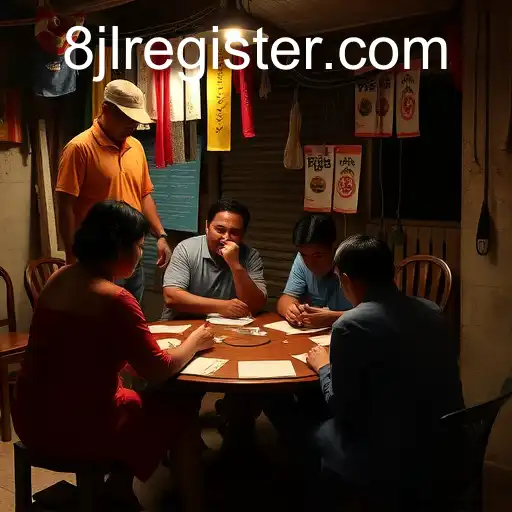

Jueteng, an infamous numbers game deeply rooted in the Philippines, has long been a contentious issue both politically and socially. Despite numerous government crackdowns and reforms, this illicit lottery continues to thrive in many regions, fueling debates around its socio-economic impact and the pervasive corruption it engenders.
Jueteng operates in a straightforward manner. It is a numbers game where bettors choose a pair of numbers between 1 and 37, and winners are selected based on random draws. The simplicity of Jueteng makes it appealing to a broad demographic, from the impoverished sectors who see it as a chance to improve their fortunes to those fascinated by its clandestine nature.
The bets are small, often ranging from a few pesos to more significant sums for some bettors. However, these small bets accumulate into substantial revenue for the operators, generating a cycle of wealth that influences local economies and political landscapes.
In many rural and urban communities, Jueteng represents more than just a game; it is intertwined with daily life and economic survival. For numerous Filipinos in poverty-stricken areas, Jueteng provides an opportunity to dream of financial liberation, albeit laden with irony because the game’s low odds often exacerbate personal financial woes.
Moreover, the revenue from Jueteng often finds its way back into the community. Turf managers and operators may sponsor community events, support local festivities, or even contribute to unpublicized social welfare, earning local allegiance and complicating government efforts against the practice.
Despite its destabilizing potential, Jueteng has effectively created an alternate micro-economy. This duality poses critical questions about the role and effectiveness of governance and public resource allocation in regions heavily influenced by this game.
Historically, Jueteng has been a focal point of political scandals in the Philippines. Its operation requires a network of protection from law enforcement, politicians, and influential figures willing to overlook its illegality in exchange for monetary benefits. This protection racket allows the game to persist and even flourish, providing campaign funds and influencing election outcomes.
Many political entities have been implicated in Jueteng-related scandals, where alleged kickbacks and bribes create a shadow economy that undermines public trust in government institutions. Such corruption scandals often lead to high-profile investigations but rarely culminate in effective reforms or significant convictions, highlighting systemic challenges in addressing illicit gambling activities.
The intricate association between Jueteng and politics extends to how operators hail community impact arguments to justify the game’s existence. They argue that the economic stimulation from Jueteng surpasses what the government provides, challenging authorities to offer viable economic alternatives.
Official efforts to eliminate Jueteng have ranged from outright bans and police raids to legalized alternatives like the Philippine Charity Sweepstakes Office’s (PCSO) Small Town Lottery (STL). However, these measures have met with mixed success.
The STL, for instance, was conceived as a government-regulated alternative to redirect funds from illegal operators into legitimate and beneficial avenues. Despite this intention, its implementation has been fraught with allegations of revenue misappropriation and collusion, mirroring many of the challenges Jueteng presents.
Law enforcement agencies have launched numerous operations targeting Jueteng, but these often result in temporary disruption. The resilience of Jueteng's network demonstrates the inadequacy of conventional policing tactics alone, which do not address the root social and economic factors sustaining the game.
The persistence of Jueteng reveals underlying systemic issues that transcend simple solutions. Addressing Jueteng calls for comprehensive reforms encompassing socio-economic development, transparent governance, and robust community engagement. Legislators, community leaders, and stakeholders must collaborate to provide tangible alternatives and dismantle the deep-rooted networks that allow Jueteng to persist.
Initiatives that focus on community development, educational opportunities, and economic diversification may offer more sustainable pathways toward quelling the allure of Jueteng. By enhancing institutional transparency and accountability and fostering public trust, the Philippines can work toward mitigating the influence of illegal gambling in local jurisdictions.
As discussions and efforts continue, the narrative of Jueteng remains one of complexity and contradiction. It serves as a reflection of the broader challenges the Philippines faces regarding governance and socio-economic inequity. While the path to resolving the issues surrounding Jueteng is fraught with challenges, it remains a critical focal point in the continuous discourse on reform and justice.

An in-depth exploration of FortuneGems3, its immersive world, gameplay rules, and current trends in the gaming industry.

Delve into the unique gameplay of JManiaTurkeyChef, where culinary creativity meets strategic thinking. Discover the rules, strategies, and the captivating experience it offers to players.

Explore the captivating world of WildShamrock, a newly released gaming adventure that combines thrilling gameplay with a touch of Irish folklore.

Explore the captivating world of Kingsman, a strategic board game with unique mechanics and engaging gameplay, weaving in current events.

Dive into the captivating universe of the game FortuneOx with a detailed analysis of its gameplay, features, and the intrigue surrounding the keyword 8jl.

Dive into the captivating universe of LionGems3pots, a thrilling and adventurous game blending strategy and excitement. Discover its rules, introduction, and how it reflects current trends.
